 The way that I have been living is in a kind of free fall. I don’t have much memory of the order of my days. I’m reliant on my iPhone calendar and a list I write every night very late before bed for the next day. This free fall is a process. A disordered order. While I really have no control over how I progress in Alzheimer’s, by writing about it, and drawing and taking photographs, it keeps me from falling too fast. It a kind of stop motion film of this life I have now, and a container of my feelings about it. Snapshots of it as I fall down the rabbit hole of this disease. I want you to know what I notice. I invite you to share in this strange journey with me.
I’m learning that each person who has it experiences it differently. I’ve heard this referred to as the snowflake theory. There are fast and slow progressers. Younger people who get it usually progress faster. I have progressed a great deal in the past year. At this point my walking is still in check. I am ambulatory, but it’s not like walking used to be. It’s a lumbering sort of walk, or at least that’s what it feels like. I plan every move I make and it’s like I am watching myself from outside and inside simultaneously. Planning walking is ridiculous, but I now have to. When I go out, the streets are both familiar and new. When I went for a walk with my husband this past weekend, and we turned onto a different street, I knew where I was, when moments before the terrain looked unfamiliar. Each time it’s a conquest of small obstacles, getting where I’m going. I haven’t been going out alone much anymore. I know my husband interprets this as anxiety. It’s not only that. It’s that my experience every day is new. How my legs will move, how the street will meet me, who will be there – moms pushing babies in carriages, bicycles coming out of nowhere, crossing the street, avoiding cars, road construction on the main street, and how to maneuver around that. But I carry on, with a routine. Monday there is usually my appointment with my therapist Pamela at 5 which is up the street from my house. This forces me out, to be accountable to her and to myself. It’s the place I can discuss what has been going on, what my fears are, how I am handling things. She’ll be away for the next two weeks. That entails more planning. What will I be doing? I guess I’ll be hanging out with Ruth playing 10 card Gin Rummy or Scrabble. Maybe just walking around this neighborhood. If I am able to. Ruth walks with a walker, and I am slow, so we kind of meet in the middle. Different kinds of decline, both of us slower than what we were, but for me this decline is new and for her it’s been this way for a long while. Cars stop for her more readily, because of the walker. I appear more normal, but I’m not. My impairment just doesn’t show as readily.
The last time I wrote it was Thursday August 9. The weather is changing and getting cooler and I get confused about what to wear. Staying inside makes it easier. I am distressed about this. My aim has been to keep going! I am afraid to go out when it rains. How will I deal with the colder weather? Will I be able to get my jacket on myself? Will I be able to deal with sweaters and layering, and removing clothes? Will I still be able to visit Ruth when there is snow on the ground? Will I be able to pull on the shearling lined boots I used in the winter? Will I know how to do this alone?
There are people rooting for me to keep going. Yet my body and brain are telling me to stay inside. I am pushing against this. A body in motion stays in motion. A body at rest stays at rest. There will be less to experience if I don’t go out. There will be nothing to write about. No one to see. I will withdraw more. So no, I have to continue to push.
Although I was afraid it would rain last Friday, and felt too weak to manage the trip on the PATH train to The Rubin Museum alone or with my husband, I wanted very much to go. So I pushed early to be ready to go. He was reluctant to take me in the car. It’s a hassle for him and parking is costly, but he agreed and off we went.
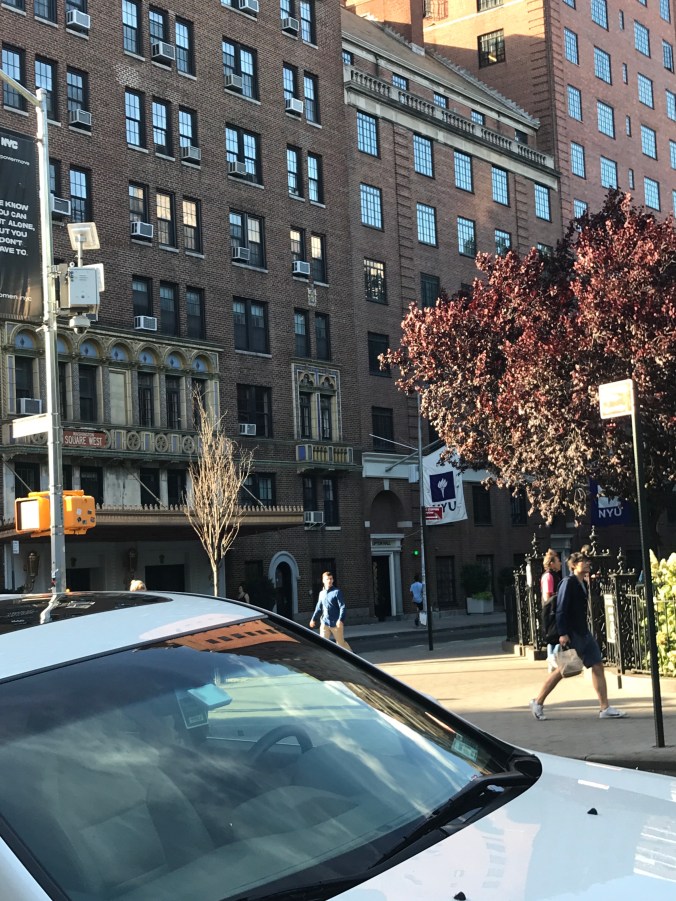
 This is the view from inside our car. I don’t understand why it’s getting harder to just go by PATH. Why am I getting weaker? I want to maintain my independence. I still know the route, but it’s a global weakness I feel in my body and brain.
My husband conveniently parked right across the street from the museum. The familiarity of that place is a landmark for me now. None of the usual suspects were there yet, but within moments they arrived. I sat at the end of the long table. My husband went to sit further down the table, and I ended up sitting next to Scott, who I’ve seen many times now, here and also at The Metropolitan Museum access program when I went last month with Jeanne. While I know he has been diagnosed, I see that he has not progressed like I have. He was diagnosed with Alzheimer’s five years ago. He’s a slow progresser, if this is the disease he has. He says his girlfriend doesn’t believe he has it. Yet his neurologist at one of the largest teaching hospitals in New York says he does, so I have to assume he’s had the conclusive imaging. He told me that when this first happened he was with patients, and blacked out. That’s how it began for him. He stopped working. I assume he had long term care and excellent medical insurance. He lives in an apartment near Central Park. In other words, Scott is well off enough to coast. That’s what it seems he’s been doing since his diagnosis. Coasting. He does not seem at all anxious or stressed out. He told me he has no trouble taking a shower, no trouble getting dressed. He says he just goes to his drawers or closet to grab his clothes after his shower. I know that the instrumental activities of daily living that are impacted even in early Alzheimer’s consist of activities such as preparing meals, performing household chores and repairs, driving or using public transportation, shopping for clothes or food and handling the finances. Scott has no trouble with these, or so he says. I have to believe him because he lives alone. He is able to get his own food, has told me he takes the subway. In many ways he’s like a normal person. Yet when he speaks it’s obvious to me he has a hard time getting his thoughts focused and delivering all the words. I described to him, how I have to push myself to shower, how the steps of taking a shower and drying myself and getting dressed are so hard for me. It seems to me that Scott’s major problems are in forgetting some words, having a harder time remembering everything he wants to say. He has the classical issues of mild cognitive impairment with some memory loss. Things come back to him though. When I met him months ago he told me that he lost his wife to cancer (around ten years ago). She was in her mid fifties. I asked him about her on Friday as we stood among the Buddhist sculptures on the third floor, and he said she was a brilliant scientist and spoke many languages. Then I asked him what her name was. He couldn’t remember. I told him it would come back to him. About five minutes later he walked up to me, and said her name was Janet. There is certainly something amnestic going on there, but a very very slow progression if it’s Alz. Progression in Alzheimer’s means the loss of instrumental activities of daily living. It’s obvious to me that while we’re both kind of in a free fall, I am falling much faster. I asked him about his morning routine. He told me he gets up at 6am, just like he used to when he worked. Scott had been a plastic surgeon, and is 65, a year older than me. He said his routine is to shower and dress every day, eat something like a breakfast bar, and watch Bloomberg on TV. (Later that day my husband told me he had talked with his part time companion, a young woman who’s mother in law has dementia, and she said when she came into his apartment, the burner on the stove was left on low and Scott was in the living room watching TV. Amnestic symptoms. I am never oblivious to things like that). He told me that he is not concerned about dying. He has no children, his sisters live far away. His mother who lives in Florida is old. He does not feel concerned about his life. He is very laissez faire. Just lives each day. But does he have Alzheimer’s? He stood across from me listening to my saga and his nose was running. He didn’t seem to mind. He doesn’t seem conscious that anything is wrong with him. His cell phone rang. He grabbed it from his pocket and answered. It was his companion downstairs letting him know he was there to go home with him. That was a changing of the guard of companions. The woman left and the man came. Scott and I walked down the stairs. For him this was easy. For me it required focus and concentration to take the steps down. My physical reality is changed.

The experience of going to the program at Rubin is important for seeing the art, and recognition of others and social connection, but there are few besides Scott to connect with who have dementia. I usually end up talking to the docents. Those who show up that are further progressed are not able to have a conversation. A cheerful old man around 85 – 90 years old keeps repeating, “I’ve been to the Temple of the Tooth”, every time we look at one of the artworks and the word “stupa” (which is an enclosed temple that people circumambulate around as they meditate and pray) is mentioned. At this point I’ve heard him say it a dozen times. We went to the second floor, and the folding stools were distributed, and we walked over to the end of the gallery with Himalayan art. It’s when I come home and look at the photographs, that I remember that Buddhism is about non attachment, and letting go. It’s when I have a chance to consider the meaning of the artworks that I understand that letting go means accepting my decline, accepting my triumphs, accepting every day as it comes.

 Buddha Shakyamuni with Sixteen Arhats, painting on cloth from Tibet 15th century
Through these teachings, Buddha Shakyumani showed the way that leads all beings to the experience of awakening and liberation from samsara (transmigration, karmic cycle, reincarnation, cycle of aimless drifting, wandering or mundane existence). This demonstrates his limitless compassion and loving-kindness towards all beings who are looking for liberation and freedom from the realms of samsaric existences. He is surrounded by Arhats who are perfected people who have gained insight into the true nature of existence and have achieved nirvana (spiritual enlightenment). The Arhat having freed himself from the bonds of desire will not be reborn.
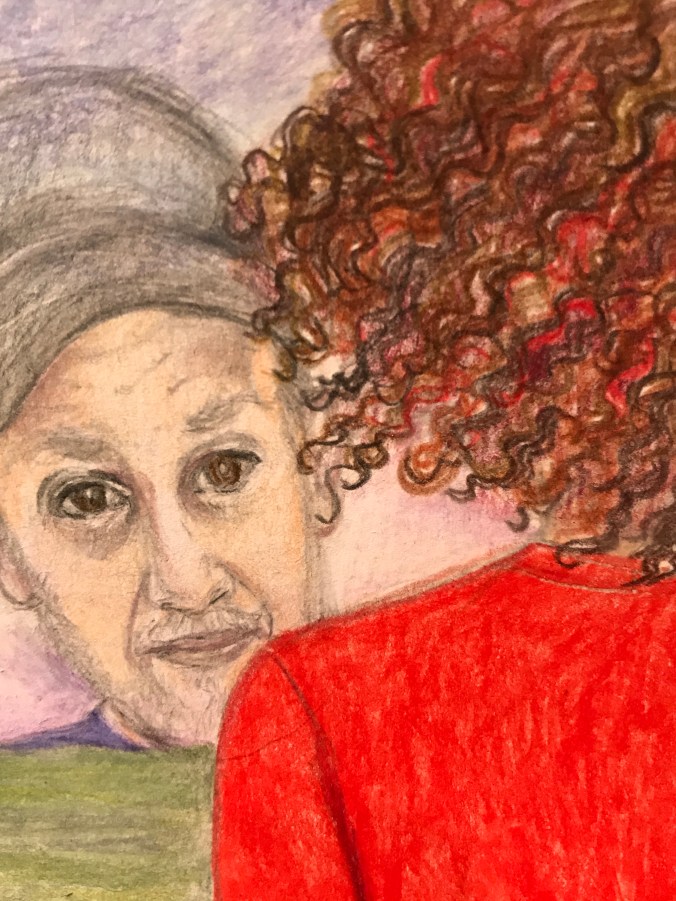 I see the sadness in his eyes. I know that he cannot understand the insidious nature of losing me while I am still here. He sees me suffer and he suffers too. He is my caregiver now. He is here with me in my time of need, making sure I have a home and food and care. Things are not going to get better. My attachment to him now is childlike. Alzheimer’s is making me more childlike and dependent. I was always independent and then this happened. Our love needs to be a love with letting go. I’m the one in a free fall. No net can catch me. But he is here holding on to me. This is the paradoxical push pull of this disease.
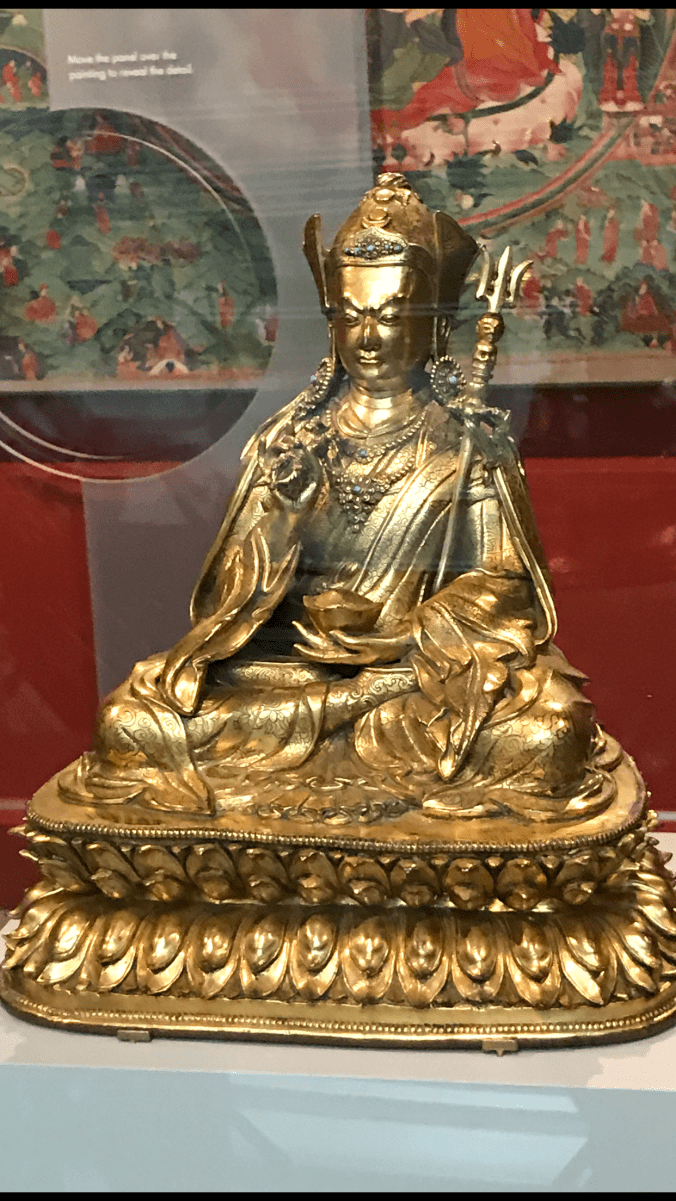
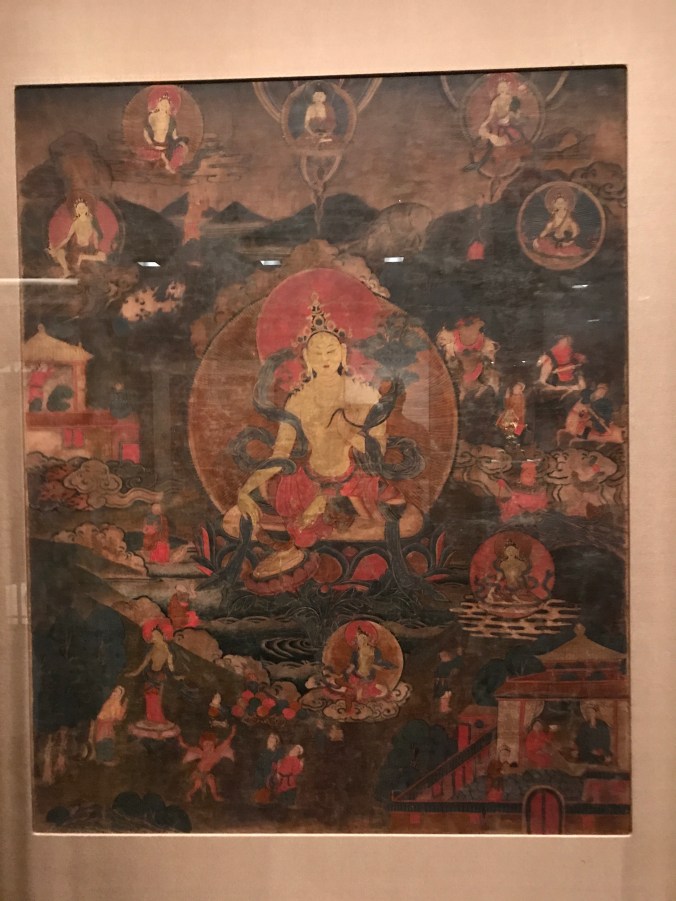 Tara a Female Deity, Tibet, 18th century
Tara is a meditation deity worshiped by practitioners of the Tibetan branch of Vajrayana Buddhism to develop certain inner qualities and to understand outer, inner and secret teachings such as compassion, loving-kindness, and emptiness. According to Buddhist tradition, Tara was born out of the tears of compassion of the bodhisattva Avalokiteshvara. It is said that he wept as he looked upon the world of suffering beings, and his tears formed a lake in which a lotus sprung up. When the lotus opened, the goddess Tara was revealed.
 I sat and watched Peter as we sat near the figure of the Hindu goddess Durga. He wasn’t looking at the sculpture. He was staring at me. It’s the second time I’ve seen him at Rubin. His companion/aide told me he is 76. He is very tall and sturdy, and walks without difficulty. I observe him. He is wearing a watch that he glances at. His sunglasses are tucked into the neck of his polo shirt. I’m told by his aide that his wife lays out his clothes for him and he dresses himself. The tragedy of Alzheimer’s is I can’t talk to this man. Sure I can ask him a few questions, but I can’t really talk to him and he can’t really talk to me. He is lost in a half daze, sitting in this museum, seemingly engaged. He doesn’t say anything about the sculpture. He sits quietly. Docile. Is he thinking about anything at all? I am wondering about his life, guessing about what a caption to this photograph might be, in the way the New Yorker has contests for the best caption for their cartoons. Who are you Peter, and how is it that we both come to sit in this jewel of a museum in a program for people with dementia and look at the Buddhist relics? Why don’t you say anything? I know you can speak, I’ve heard your voice. Who were you? You look so calm and normal. No one would ever suspect dementia. That’s the irony of this. No one can see it from the outside.
 Durga Killing the Buffalo Demon, Nepal, 13th century, Gilt copper alloy
Durga is represented at the moment of her victory. She has assembled all the weapons of the gods and overcame the demigod Mahisha, who endangered the order of the world. Having chopped off the head of the bull, Durga pulls his body by the hair and stabs him before he can draw his sword. Her fan of arms gives the appearance of two arms in different positions, conveying their furious motion. Durga has 8 to 10 arms. These represent the 8 quadrants or directions in Hinduism. This suggests she protects her devotees from all directions. She assumes the power of male gods to save the universe. Weapons in the hands of Durga such as a mace, sword, disc, and arrow, convey the idea that one weapon cannot destroy all different kinds of enemies. Different weapons must be used to fight enemies depending upon the circumstances. For example, selfishness must be destroyed by detachment, jealousy by desirelessness, prejudice by self-knowledge, and ego by discrimination.
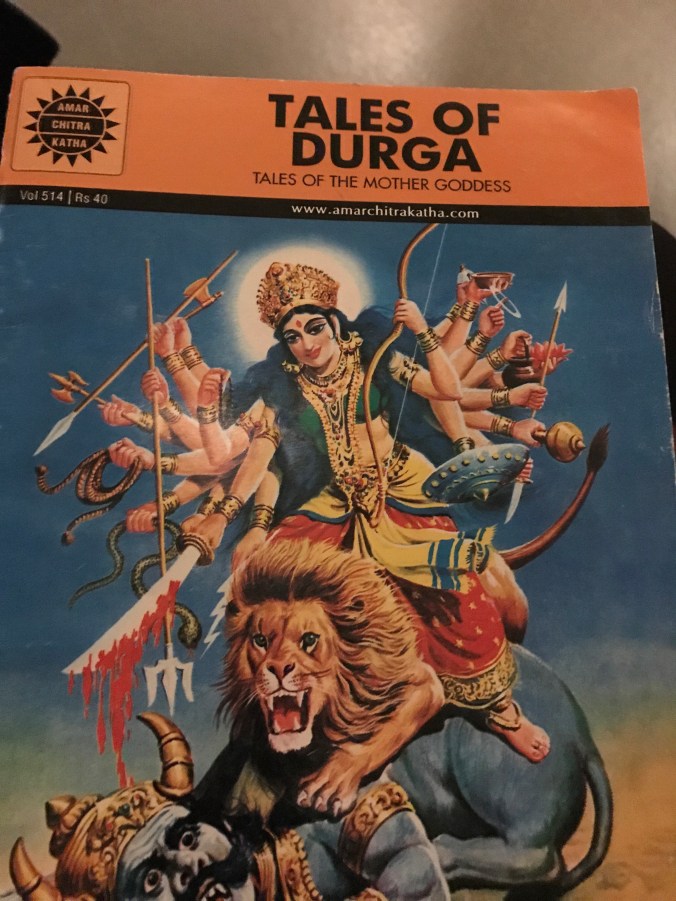
A comic book called Tales of Durga was distributed for us to look at. This teaches children to admire Durga and embrace the lesson of detachment from the suffering of life.

I am progressing in this disease in very weird ways. Yesterday, I could not understand why I was babbling. Strange sentences, half sentences, spoken to my husband who felt I was doing this because he stayed home. It wasn’t the case. These things just popped out of me, a kind of word salad, nonsensical and disconnected to anything that was happening. I know I sometimes say, “Where going?” when he goes out of the room. That is dropping parts of the sentence. I don’t do this on purpose. It just comes out that way. This was different though. It was saying nonsensical things I don’t remember. Losing more of myself is scary.
I am not very encouraging to others who have this disease who read this. I am sorry about that. I do want to be. I want you to see that I am trying my utmost to remain communicative and functional. I confess that this disease is an opponent that can’t be beaten, but there is no choice to fight it while I can.
More images to share:  Bodisattva of Compassion
This journey requires compassion from others to each other and compassion for myself. I seek this important lesson every day. People need to understand that this needs to be their default. If there’s a reason for life, learning compassion is it.
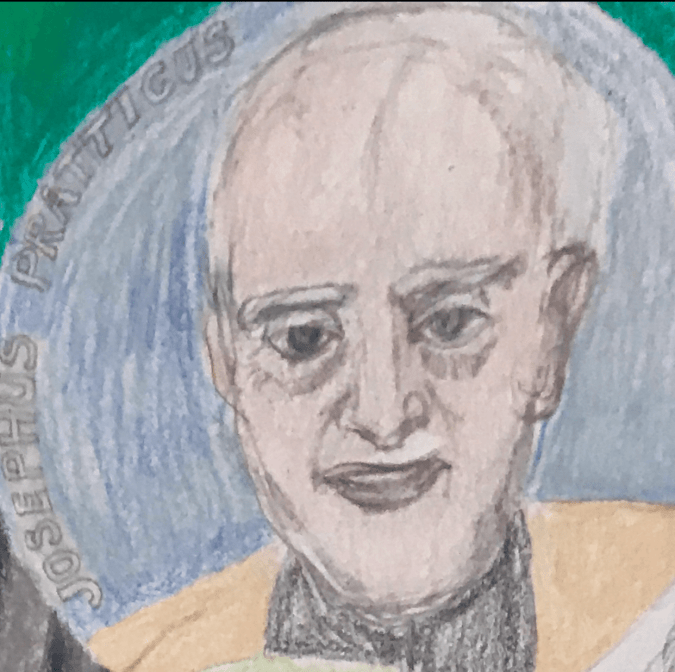
 Pratissara, One of the Protector Deities
 Sparrows in my backyard. They are there eating seeds and leaves. Years ago I made a series of sculptures and called the series, Not for the Birds. One of the pieces was a wall piece of the front of a birdhouse, shaped like a house. There was a perch, but the hole where the birds are supposed to enter had a black piece of plexiglass replacing the circle where the birds would have entered. A non entry. Another was a glass birdhouse with a tape recorder inside and a loop playing the song of a ground thrush over and over and over. My work was clever, strange and kind of delightful.
 A butterfly on a flower I noticed on route to Jeanne’s house. Nature is beautiful, and art can’t compete. We are here to have a look and be in awe of it’s majesty. We can love, we learn, we discover, but ultimately we have to let go. We can’t hold onto anything. As I free fall that is what I am learning. I only wish to be able to do so with more grace. Learning grace is my karmic lesson. Let go of the resentment, the disappointment, the anger. Let go. Let live. Let go. Let go.
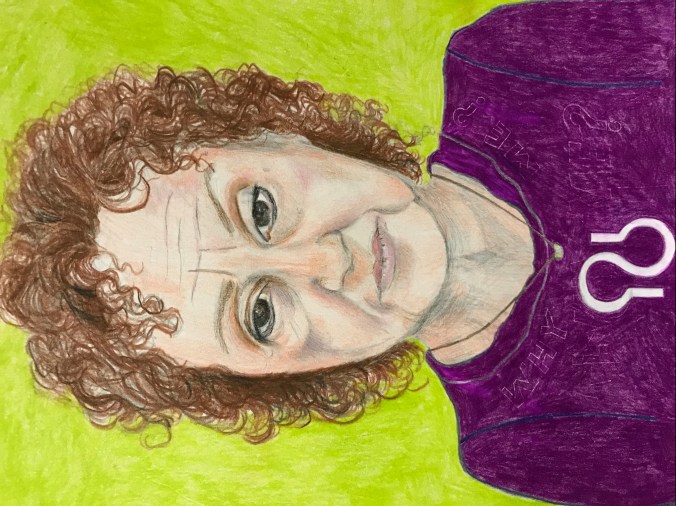
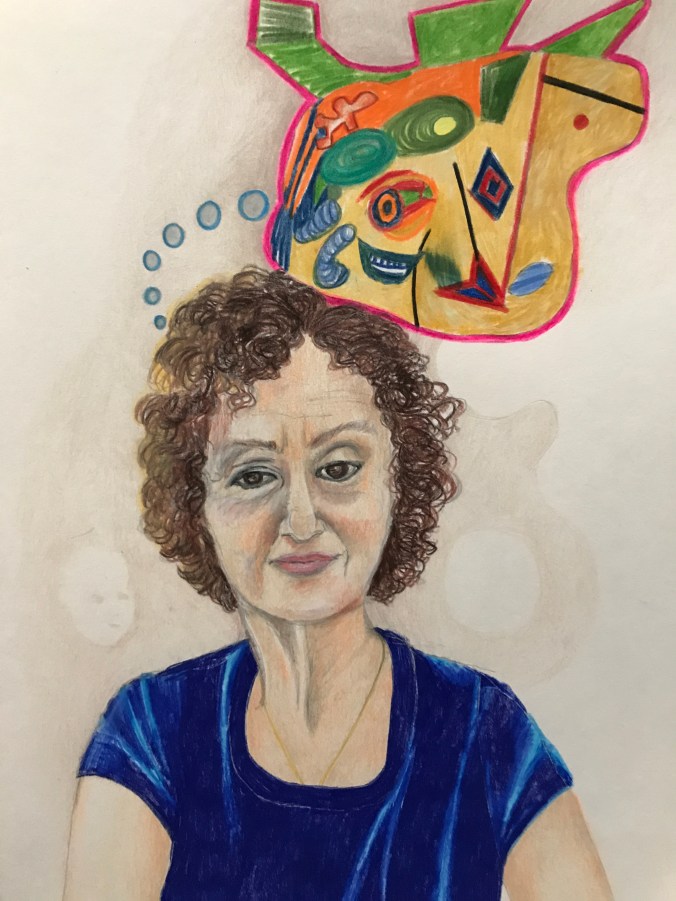 Self portrait with an abstract thought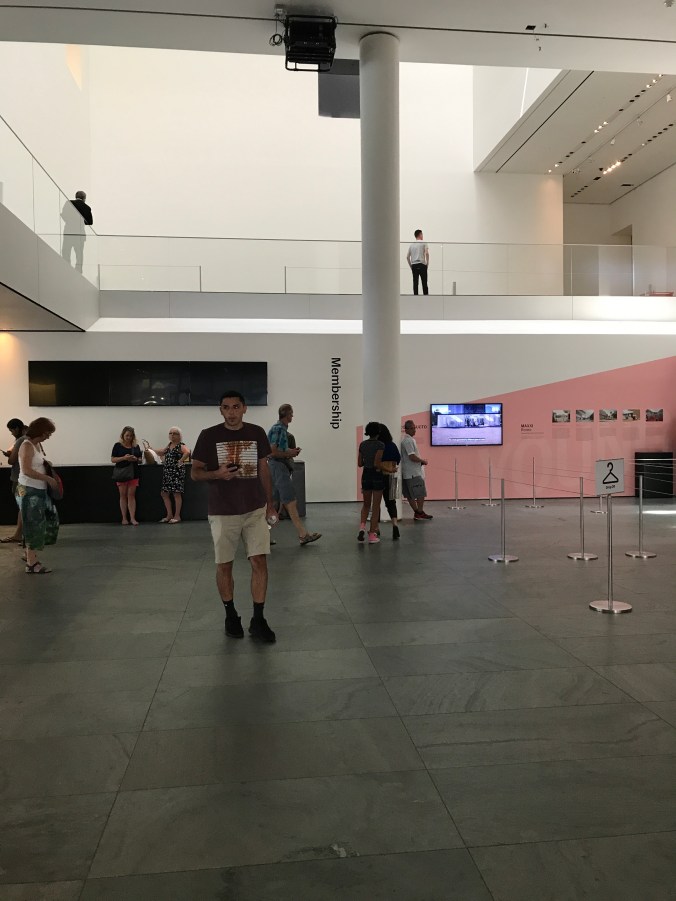
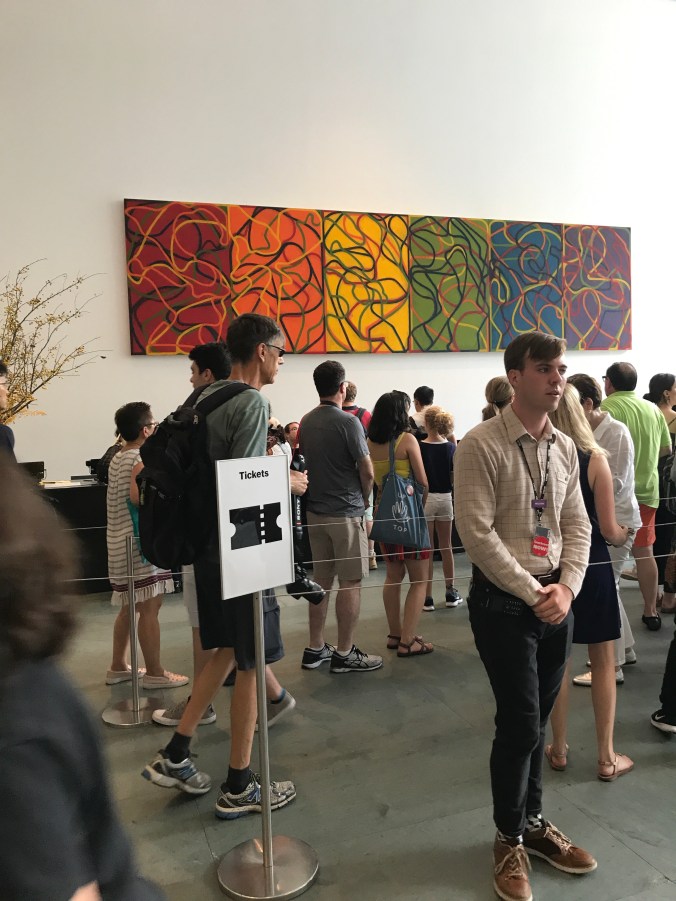 Brice Marden painting above the ticket area


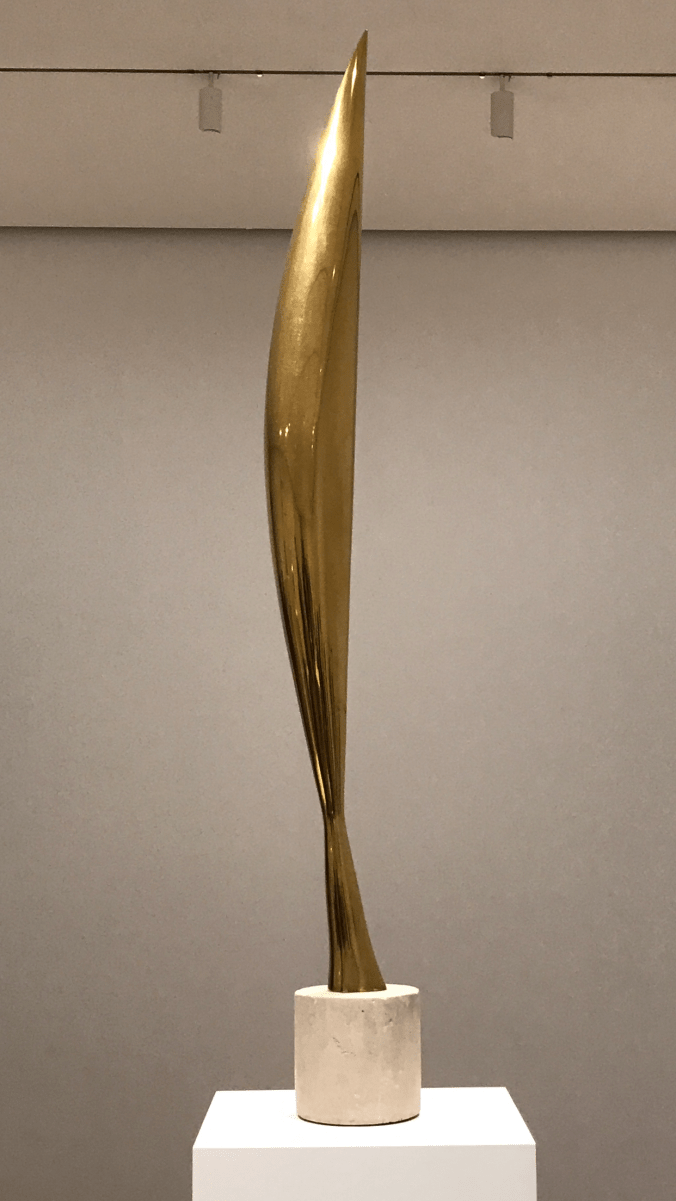 There were many strange things about being in the museum and seeing the exhibits and art. Since I knew and still know so much about art, I was struck by how the sculptures in the Brancusi installation were presented. One piece (Newborn) was in a glass vitrine. Brancusi would not have approved. For him sculpture is the way it appears in space, the way form interacts with space and any intervention, like a vitrine, would not have been the way he intended the work to be seen.
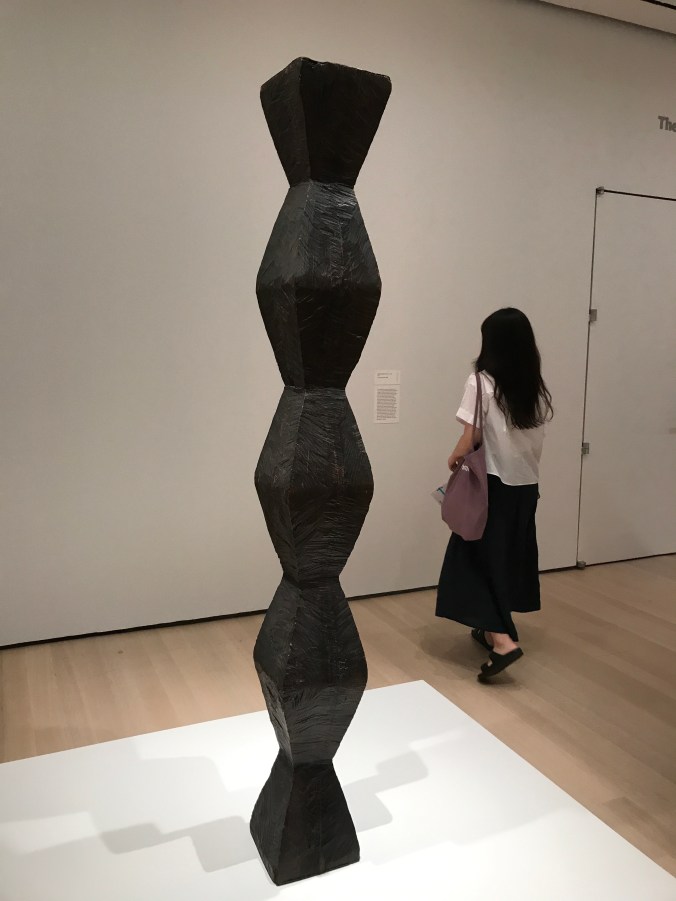 Endless Column, 1918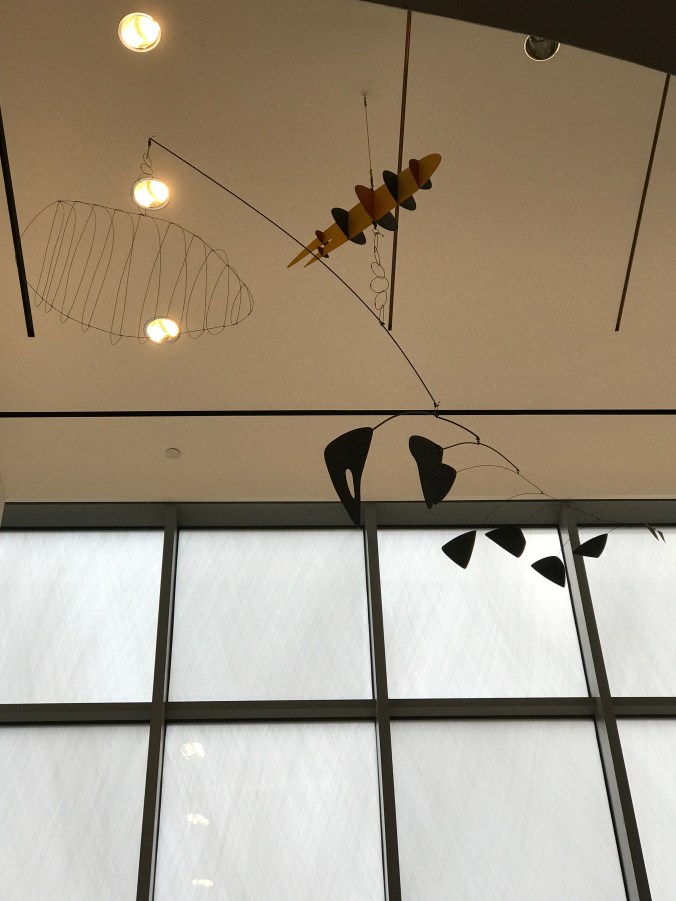
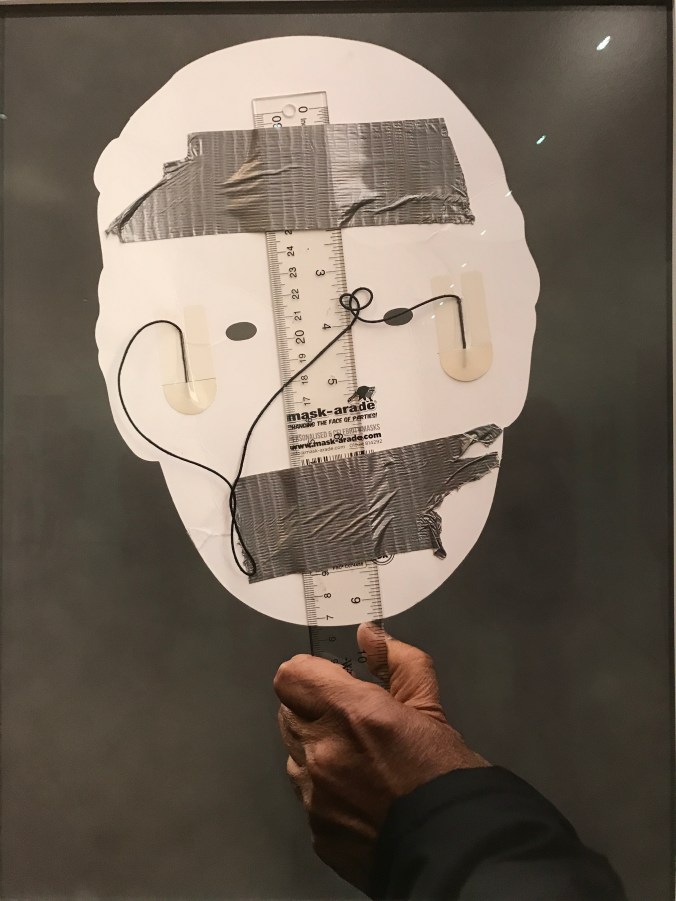


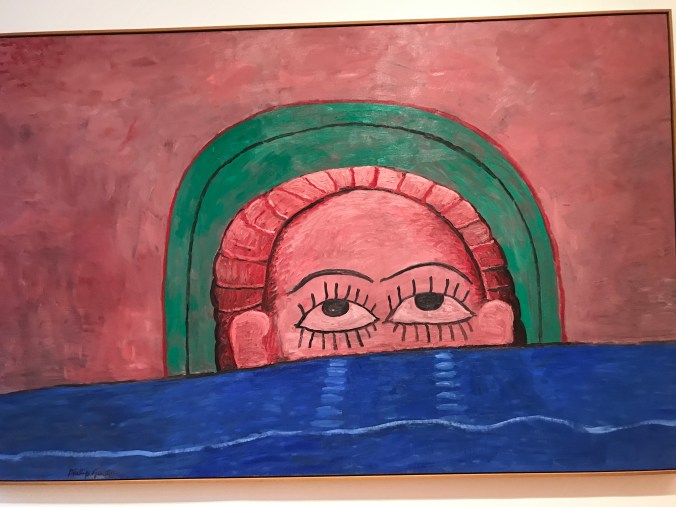 Phillip Guston, Source, 1976
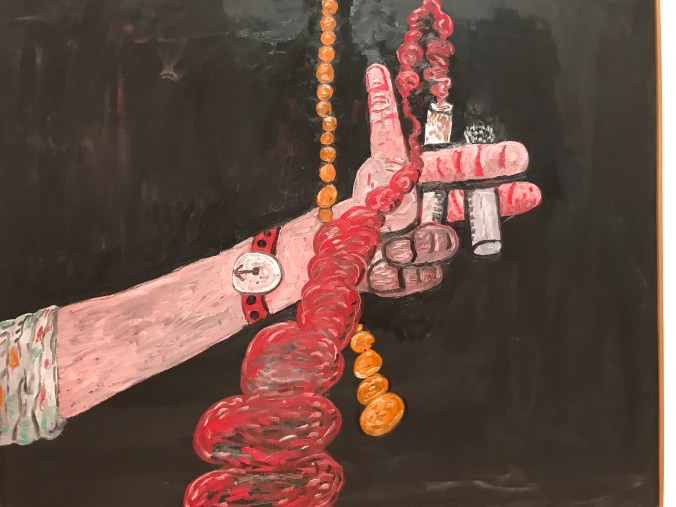 Talking, 1979
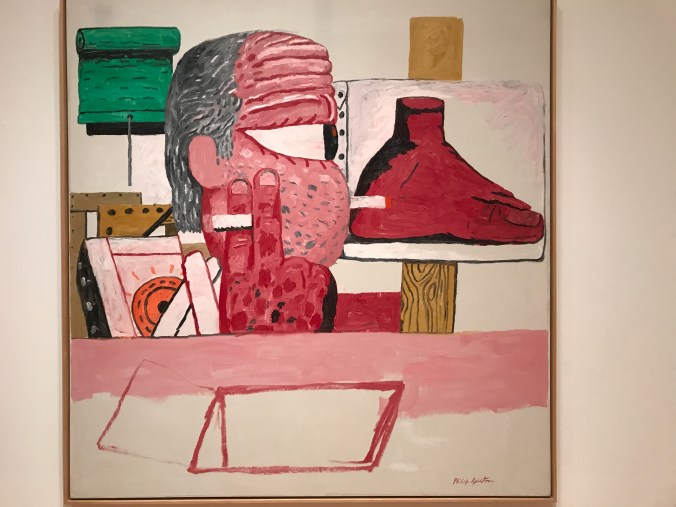 In the Studio, 1975
 Elizabeth Murray, Do the Dance, 2005
 On Kawara, April 24, 1990, 1990


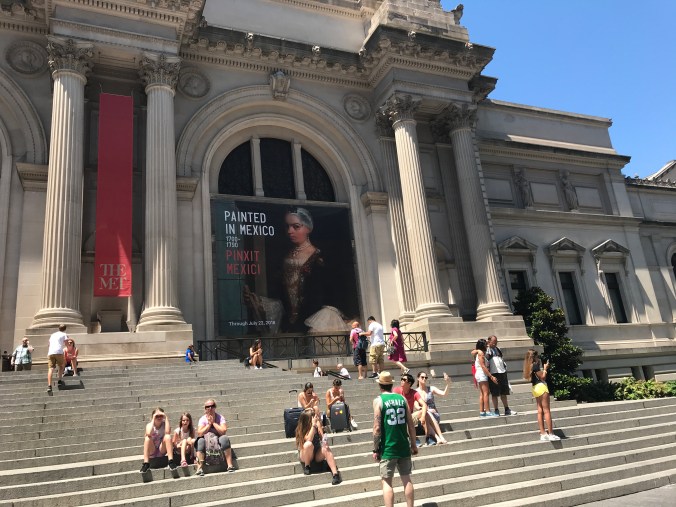
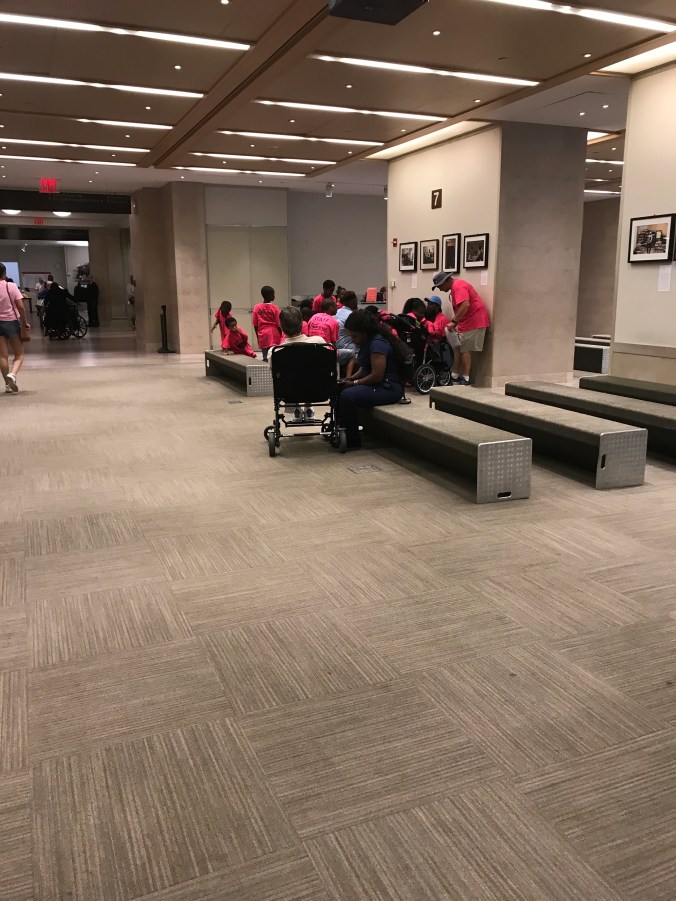
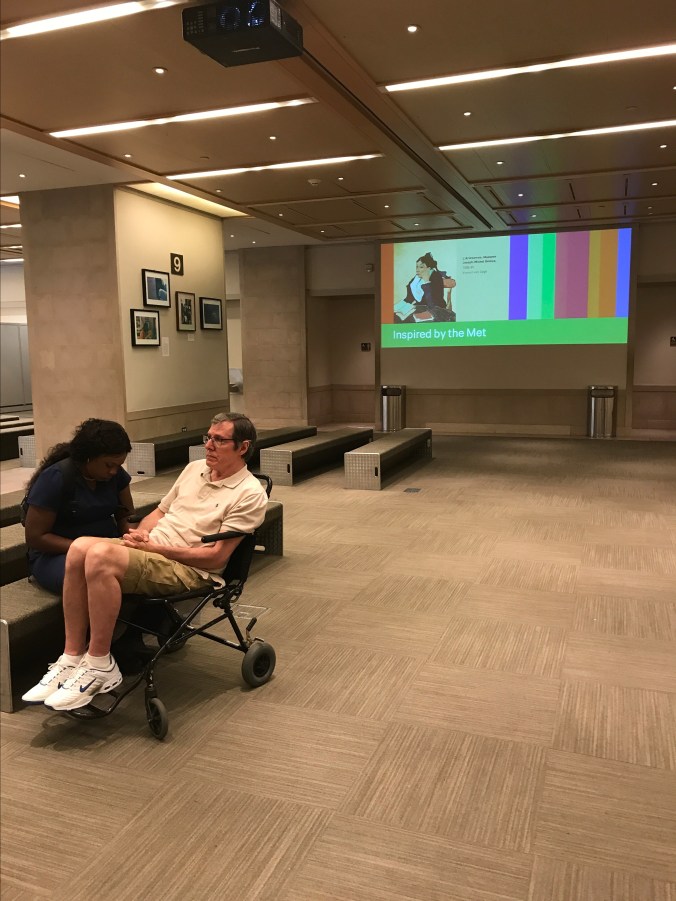
 We were led into the Met Escapes gathering room and Jeanne and I were introduced to Barbara who led our small group tour. Lin, who I met at the program at the Rubin Museum was there. We were given adhesive name labels and off we went to the elevator and up to the galleries to see the first of four art works, the time allotted to see and discuss art during the hour and a half program. I remembered how I would stay at this museum for at least four hours, and look and think deeply about the art. I was so curious and free then and independent.
 I had talked about this painting to my students when I taught art history. I told them that Bonheur was a maverick, a very unusual persona for a woman in the 1850’s. She was the most well known woman painter of her time. She had been very wealthy, lived in a castle and was a outspoken lesbian, who wore mens clothing. Women were often only reluctantly educated as artists in Bonheur’s day, and by becoming such a successful artist she helped to open doors to women artists that followed her. The huge painting depicts muscular horses, their tails tied in buns, being sold by horse dealers on a street in Paris. We looked at the painting, discussed the way the animals were painted, the energetic composition with depth demonstrated by the procession of horses being led to the middle foreground from the left and receding into the distance on the right. We talked about color, the way red is used to punctuate, that Bonheur has painted herself atop a horse at the center wearing a cap and is the only one looking at the viewer.

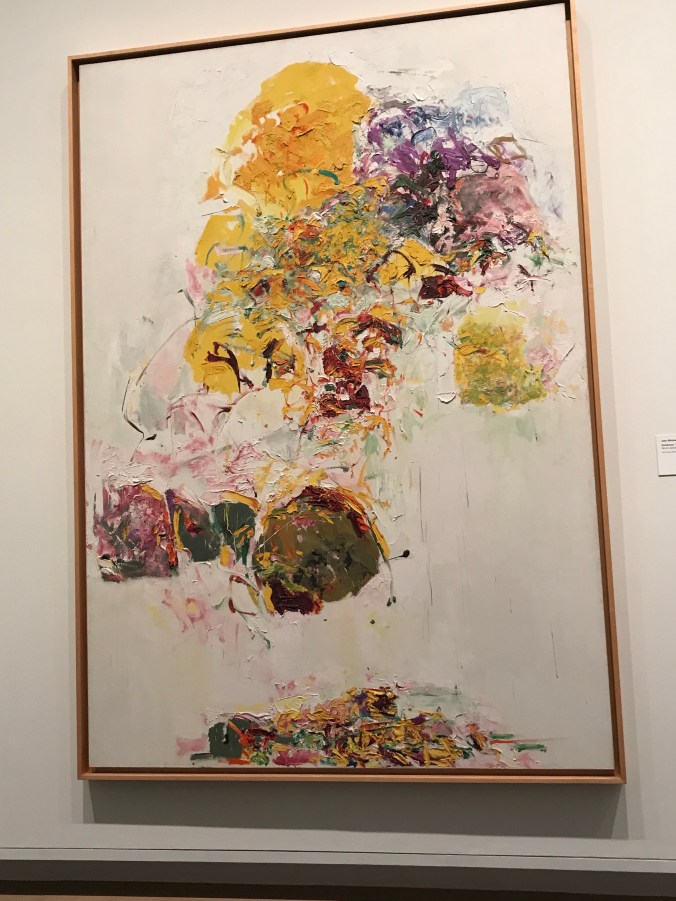 Joan Mitchell (1926-1992) is known for the compositional rhythms, bold coloration and gestural brushstrokes of her large paintings. Inspired by landscape, nature and poetry, her intent was not to create a recognizable image but to convey emotions. Her early success in the 1950’s was striking at a time when few women artists were recognized. As an important member of the New York School, she achieved the type of success that eluded many of her female peers. I believe it’s because her work is genuine, original. She saw much of the world – letters, sounds, people, emotions – as color and memory.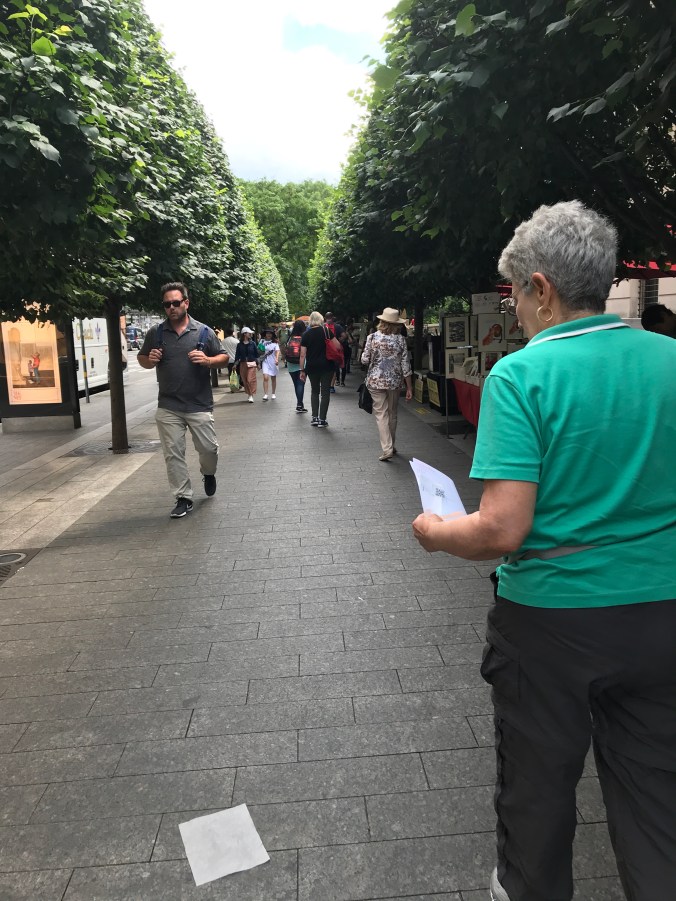


 Luiza and I left the museum after the tour and headed to the PATH. It was rush hour and I told her that in order to get a seat, we would have to walk down the long platform to be near the front of the train. The train came and I rushed to secure us two seats. Once we’d arrived in Hoboken, more exhaution. We stopped at the park on the way back. She didn’t say a word about the museum or anything we saw. I wanted to elicit some interest in something. we could both relate to. I mentioned the Armenian artist, the late Arshile Gorki. I showed her photos of his work, the famous painting of him as a child with his mother. We sat in the breeze on a bench, and then returned to my home and she left. I called Ruth, my dear friend and told her that I had made it home.
 Things are a daze of forgetfulness unless I look back at my iPhone calendar. Then I remember the events and emotions connected to the previous days. The people I saw, places I went, and the days that I didn’t go anywhere, and how that made me feel. The triumphs of being able to simply go somewhere outside of my home, be dressed neatly and be able to participate instead of just sitting on my couch (a term my friend Margery who also has Alz calls couch lock). The small pleasures of being able to be a part of life. To be present.
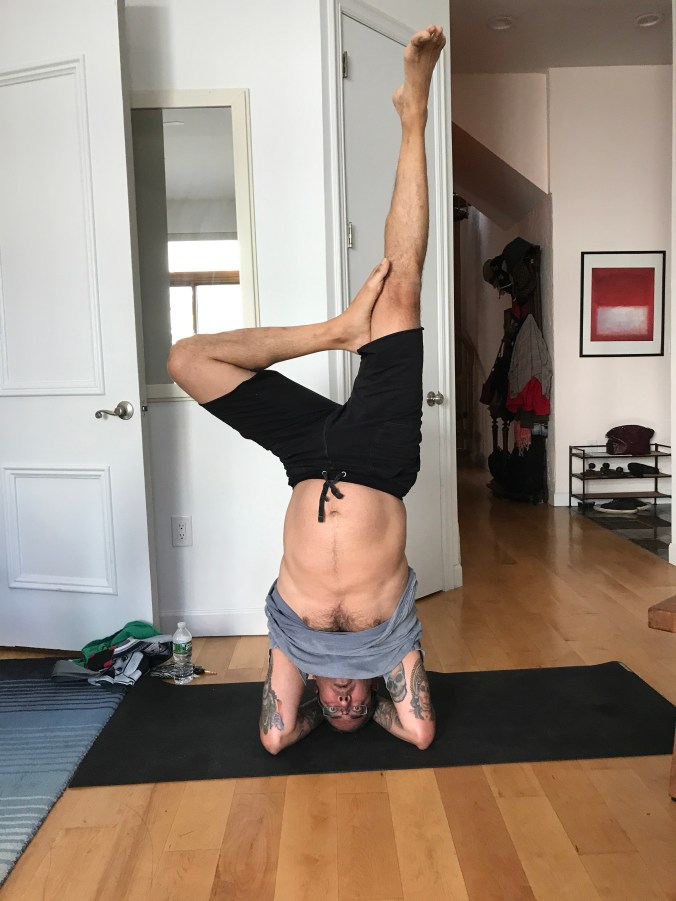
 My husband tries to find solutions. I have a yoga teacher that he hired. I used to do yoga and attended classes and practiced it alone in the earlier stages of this disease. Now I can’t seem to do it without instruction. Krishna, my teacher, does yoga with a man who lives a few miles away, who is in his seventies and has Alzheimer’s. My husband had put an add on Craig’s List for a home health aide/ companion and Krishna responded suggesting he consider hiring him to teach me yoga. I was very strong before this disease stole my strength, cognition and initiative. I was weight training with a trainer and doing yoga classes once a week. The body remembers and I am able to do many of the asanas, but I need instruction because I have trouble getting started. Once I’m on the mat I can do it. Here are pictures of Krishna assuming yoga poses. He says I am strong, because I can do the poses. I can balance on one leg and hold a tree pose. Unlike his other client who has Alzheimer’s, I do know my right from left, no confusion about that, and can do the balance and Warrior 1,2 and 3 poses, and many of the postures he demonstrates. Doing them alone though and having the discipline to get started alone is another story.


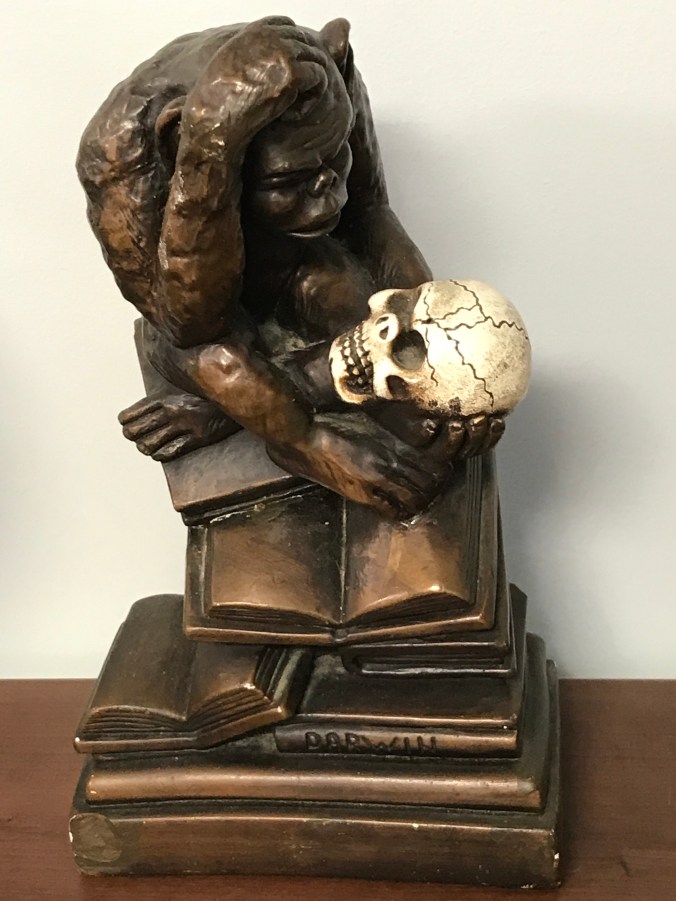 The doctor arrived and I walked around the waiting room, while Jeanne went into her appointment and Bob read a book. I spotted this sculpture and snapped a photo. It’s a bronze cast of an ape holding a human scull, sitting on a stack of books. The name DARWIN is inscribed on one of the books. This got me thinking about Darwin and his theories about evolution.
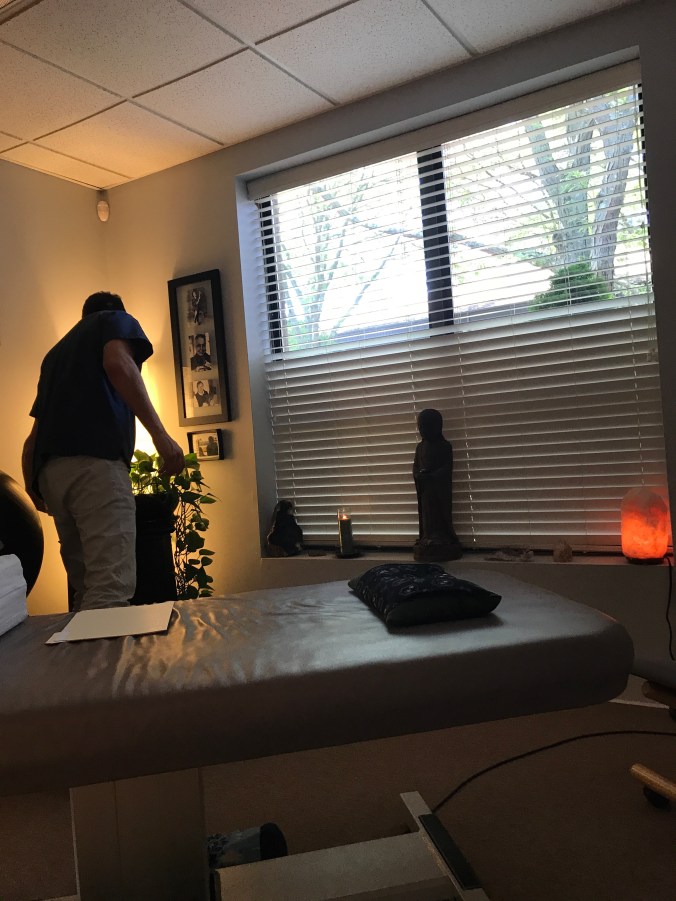


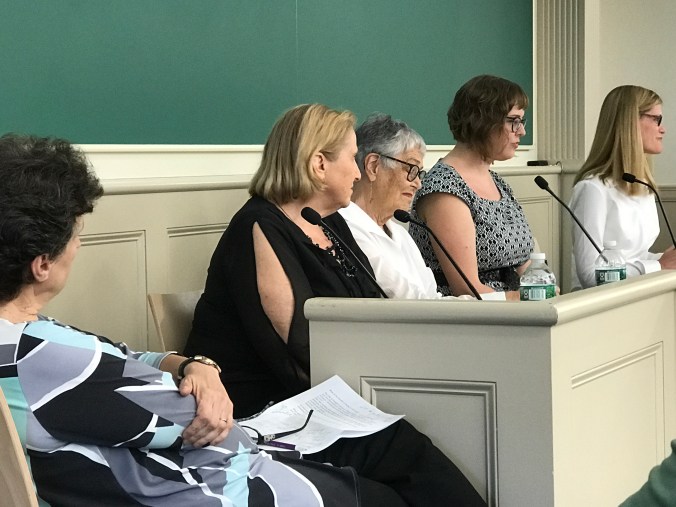
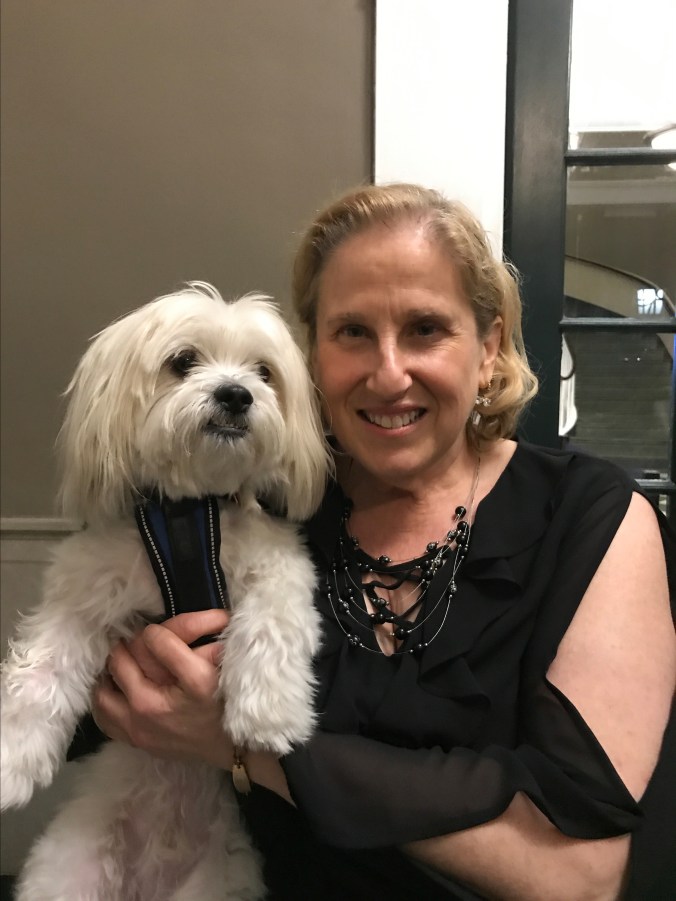


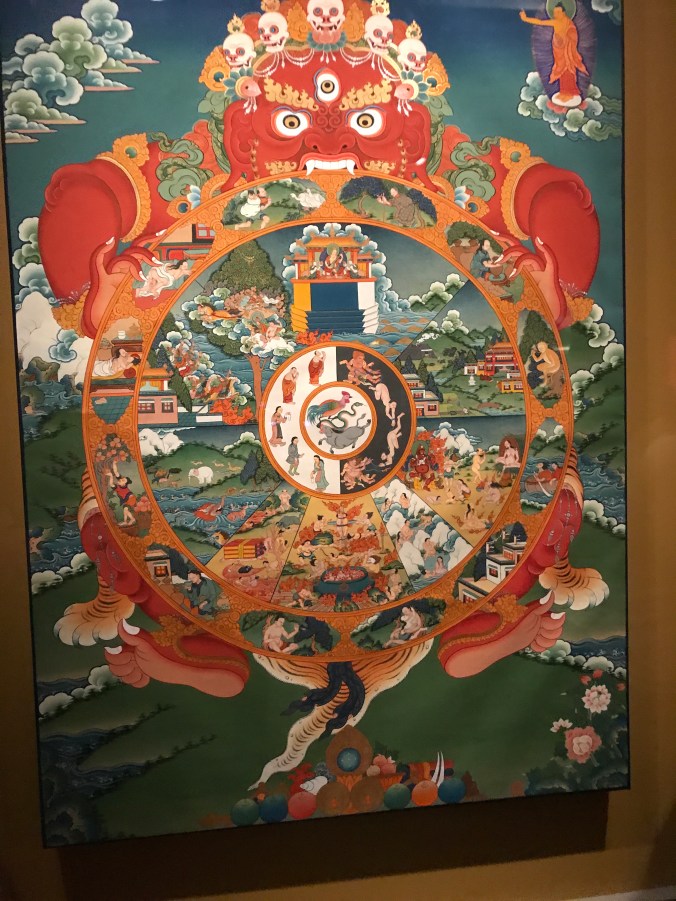
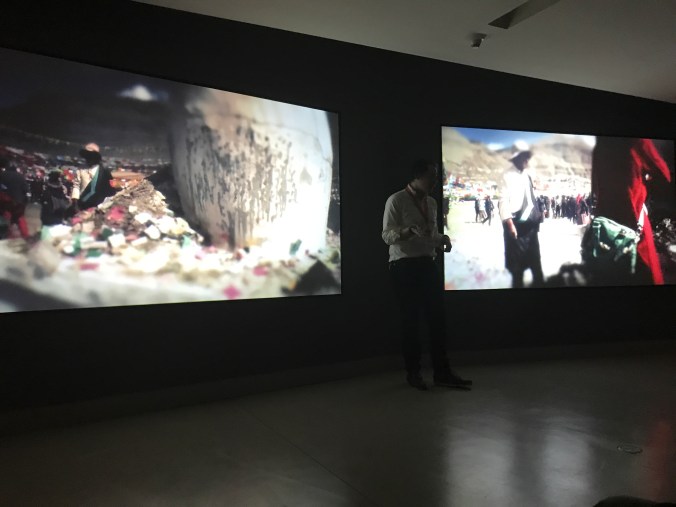 Jeremy brought us up to the third floor where we sat in front of two screens projecting images of a Himalayan ritual in which people burned incense as an offering. In Buddhism this is a sacred offering. The burning of incense results in fragrant smoke and teaches the necessity to burn away negative qualities within oneself in order to reveal the pure self within.
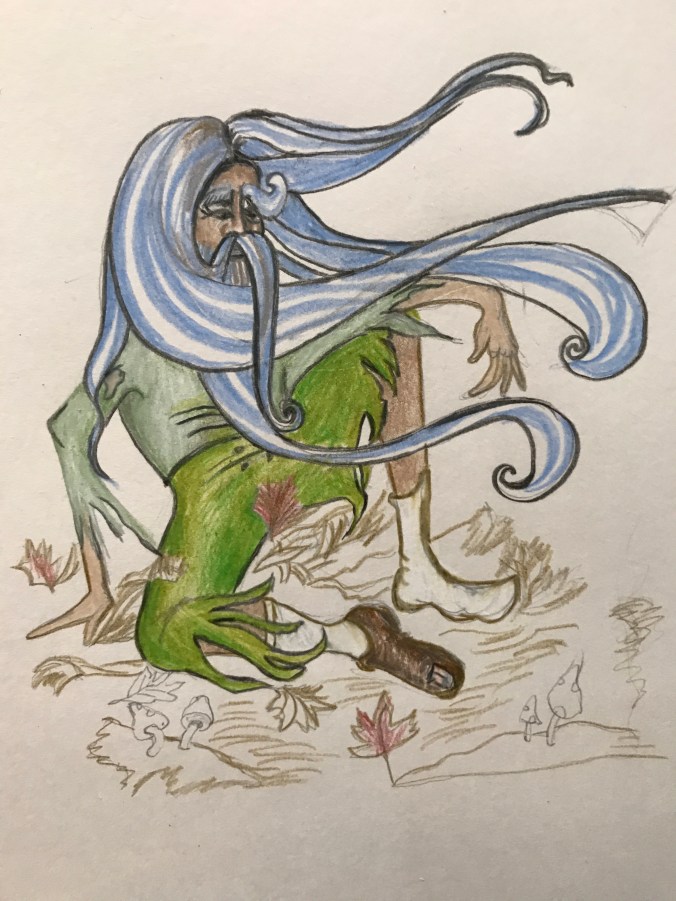 Which brings me to Rip Van Winkle. I have begun reading from a collection of the best known and memorable short stories by great American writers. Rip Van Winkle is a ne’er-do-well who sleeps 20 years and upon waking is startled to find how much the world has changed. Washington Irving the author, shows us that Rip Van Winkle is a character who always has been, is, and always will be. There are millions of people around the world who take his nonchalant view of life, his uncaring, unmotivated attitude and accomplish absolutely nothing. Rip is an icon of the stagnant, the lazy, and the useless. He is the person who goes through life never fully living it and before he knows it, is old and dying wondering where has the time gone.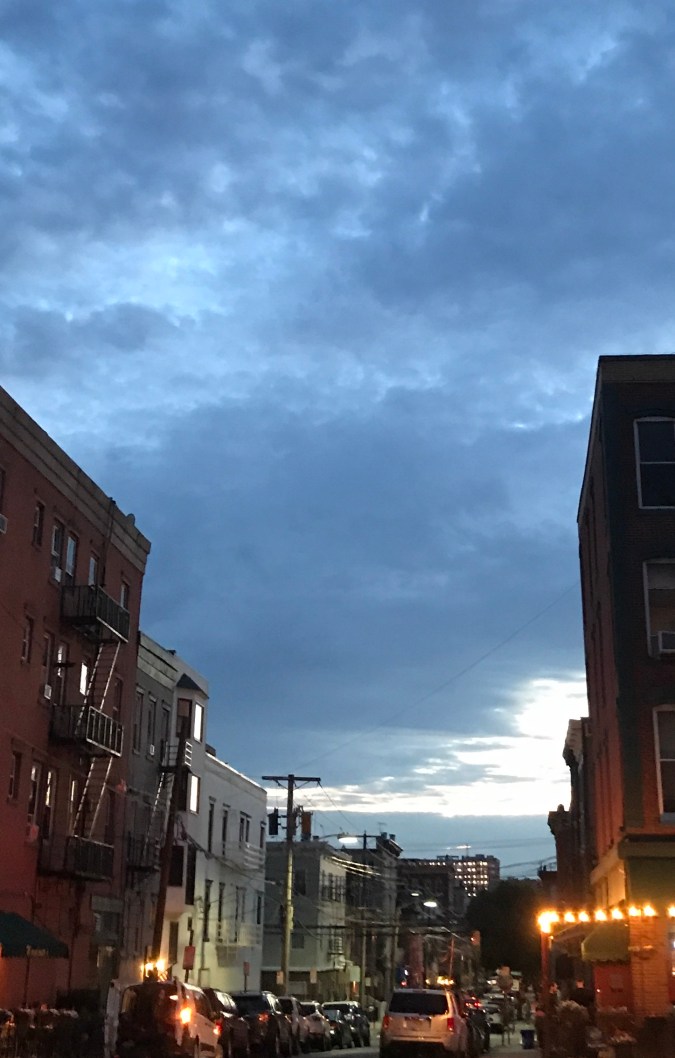
 Knowing that you do not know is the best.
 I do remember telling him that instead of moving back, I wanted to move with him to somewhere in Connecticut. I no longer wanted to work. I was burned out. I had been pushing myself beyond the brink. He thought it was odd that I wanted to move there, and he moved back. I know now that this was developing for a long time. The preclinical phase can go on for a decade or longer. I was under way too much stress for far too long. The dam broke.
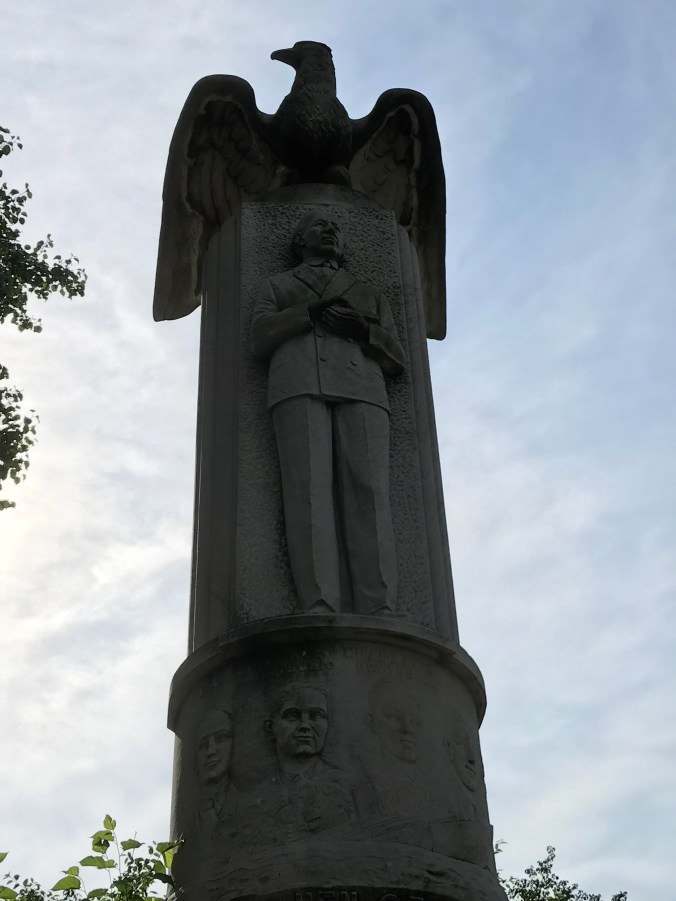 Joseph, Diane and I walked through the park and from afar Joe thought he saw the statue of Athena. What he saw was actually a statue of an eagle, and below it, a high relief sculpture of Guglielmo Marconi, the inventor of the wireless radio. Interesting that in my research on this sculpture of Marconi, I learned that Marconi was a Fascist and Benito Mussolini was the best man at his wedding.

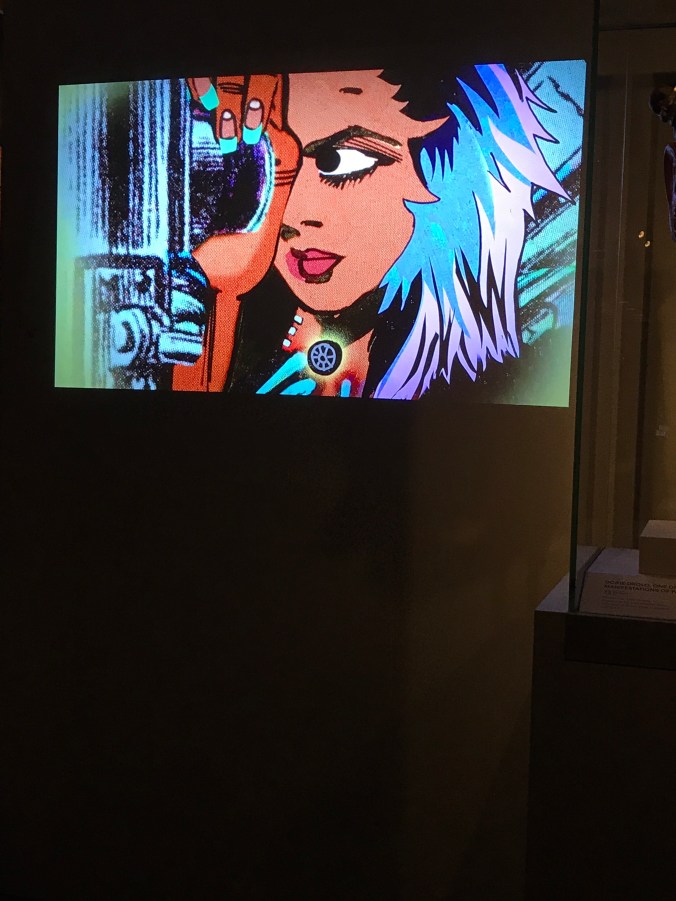 We took the elevator to the second floor and Robert and Laura showed us a digital animation, by the artist, Chitra Ganesh, called The Messenger. The photo is one frame from an animated loop that plays over and over. Ganesh adopts elements from the historical objects in the museum that relate to the Future Buddha and Second Buddha. She takes these mythic elements as inspiration in creating a personal contemporary narrative. In this frame a woman looks through a telescope lens. She’s supposed to be peering into the past and the future.
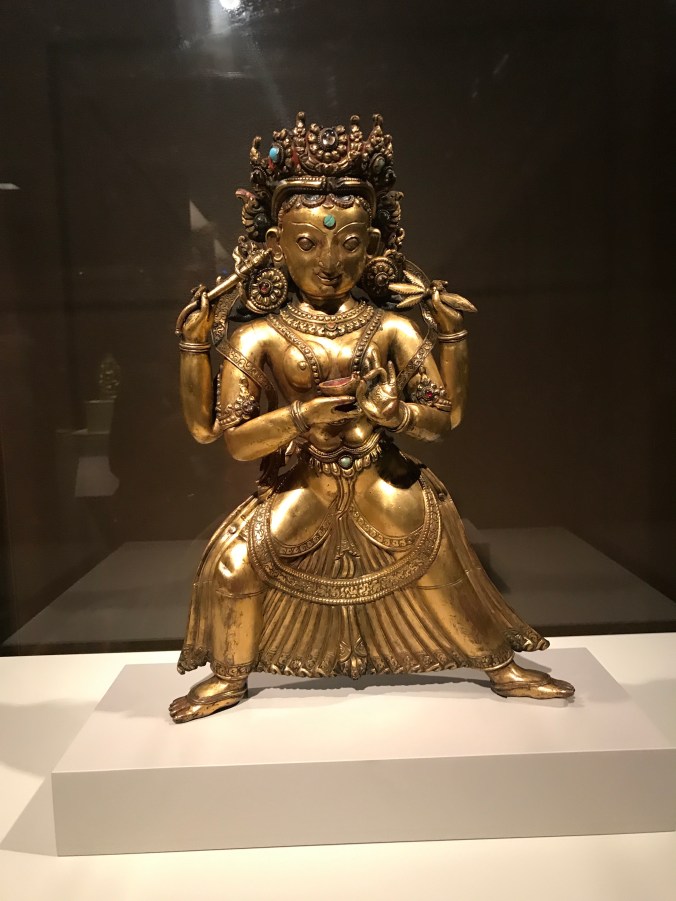 This is a repousse (a technique in which three dimensional forms are hammered from a flat sheet of copper) sculpture of the goddess Kaumari, a Hindu goddess that fought a demon and won.
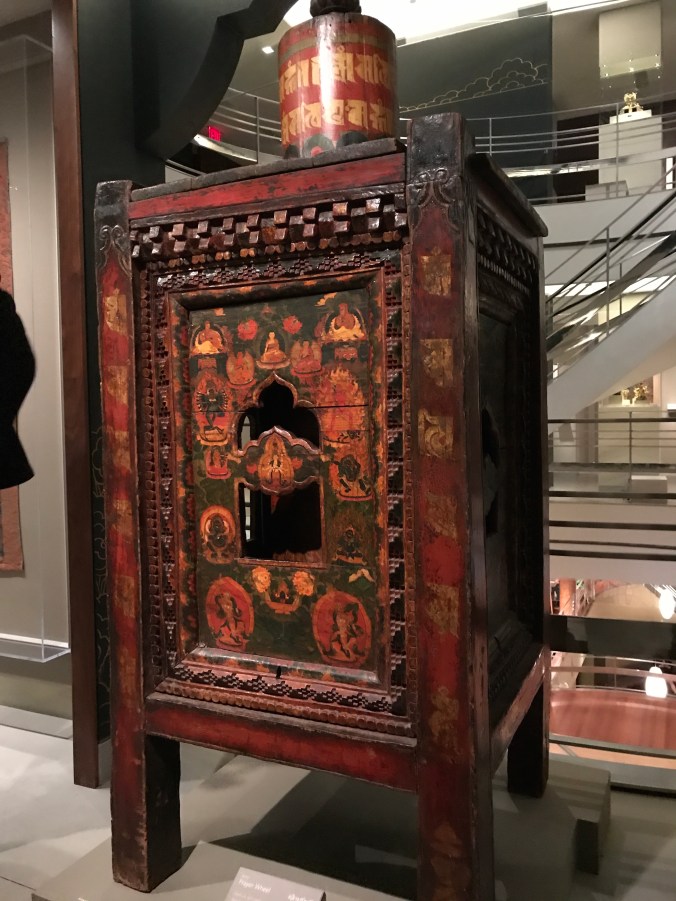 This is a 17th – 18th century prayer wheel. This huge one is elaborate with paintings of deities on the outside. It contains a revolving cylinder inscribed with prayers, a revolution of which symbolizes the repetition of a prayer, used by Tibetan Buddhists. A person would turn the cylinder from the outside and recite the prayer over and over.
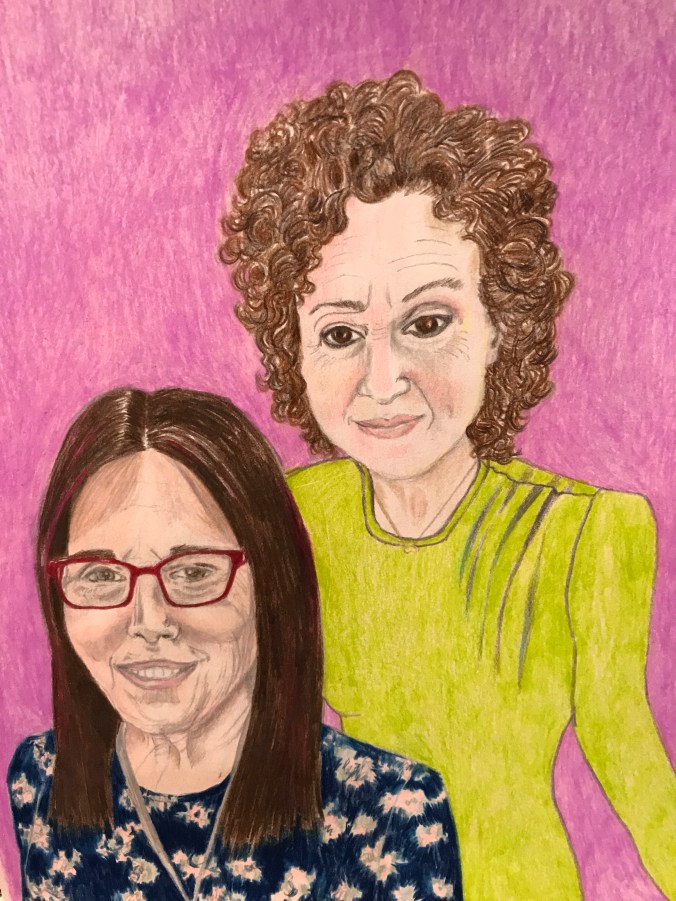 Jeanne has become a special friend from my synagogue who has been bringing me meals and visiting every week. She’s one of the first people I told about my diagnosis, and has now become a regular presence in my life. She’s such a kind soul and a truly accepting person. A few weeks ago she invited me over to her lovely home which is only 5 blocks away, for lunch to meet her younger sister Ruth.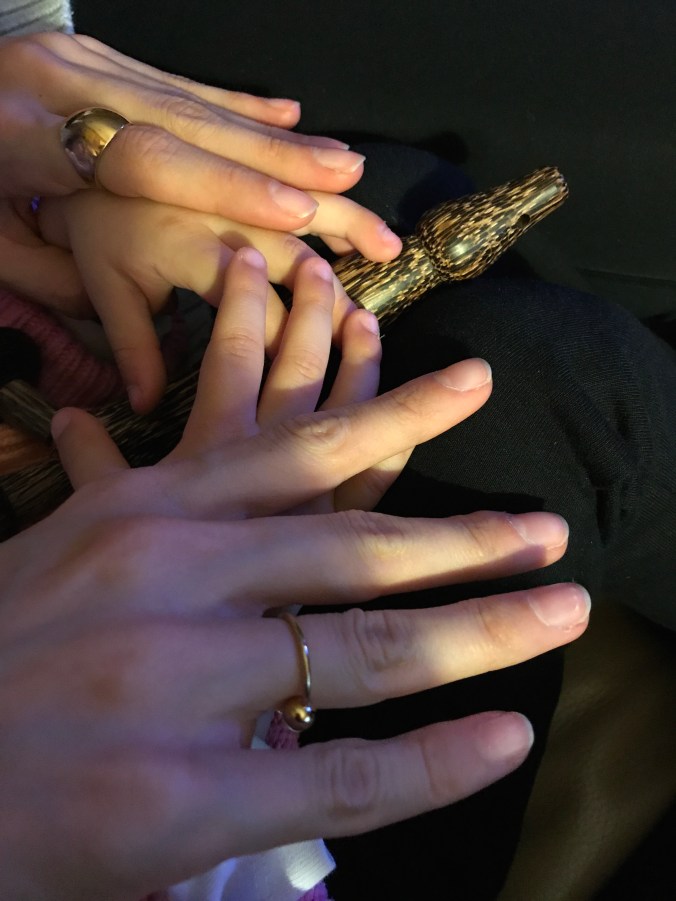
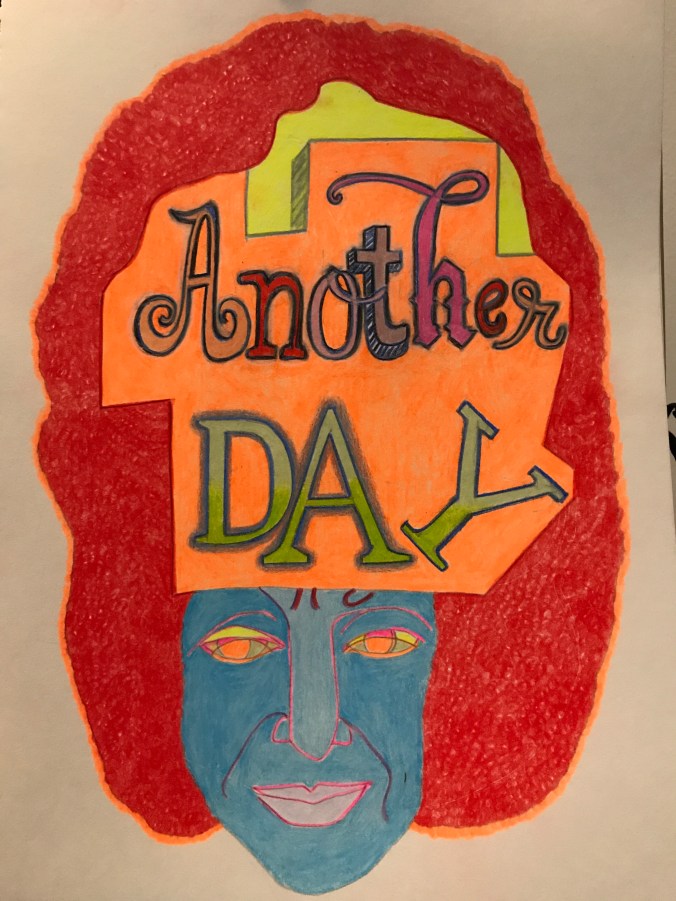


 The New York Public Library Beaux Art facade beckoned majestically. I crossed the street and climbed the stairs and entered. My husband followed me. The exhibit was free and I wanted not only to see it, but to be in that space, a place I’d last been in over 3 years ago before all of this started to happen to me. I’d last been there with Raphael, my student, and the memory of my normal self vs. my Alzheimer’s self, was jolting. My sense of occupying this grand space was different. Skewed.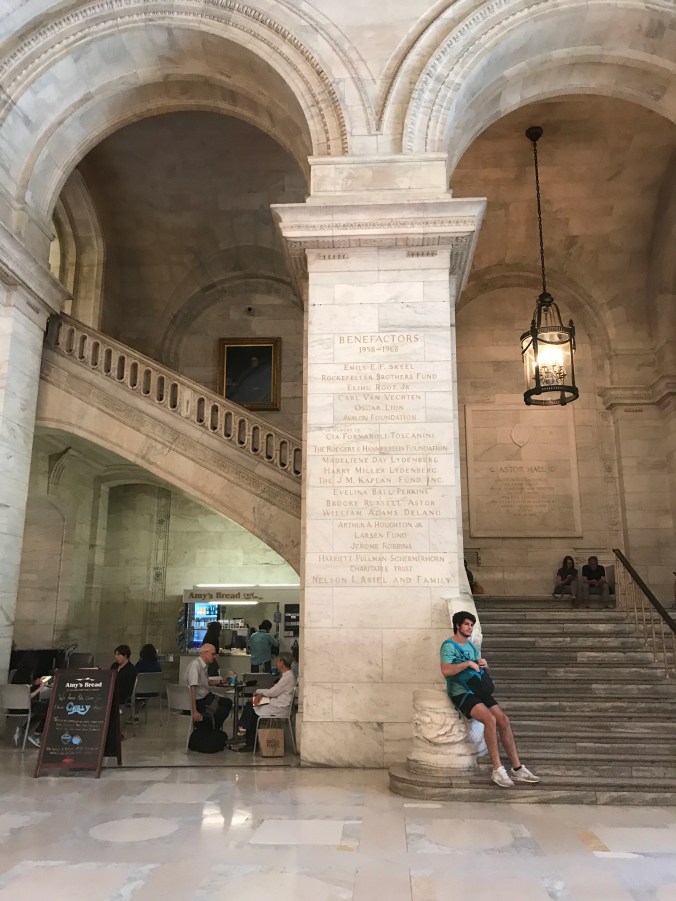


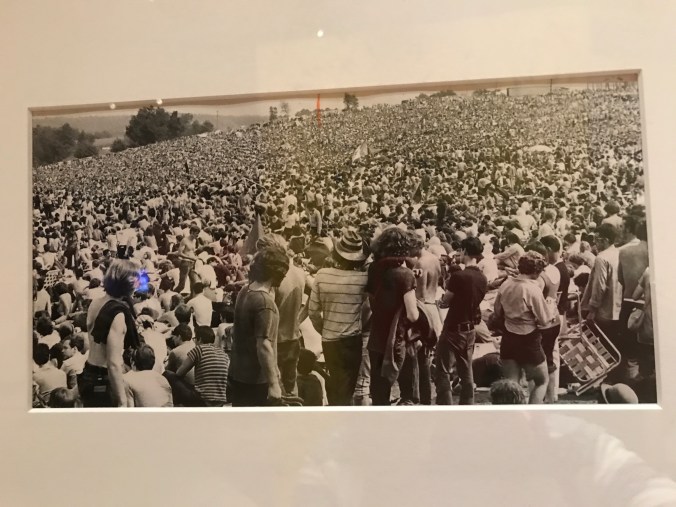
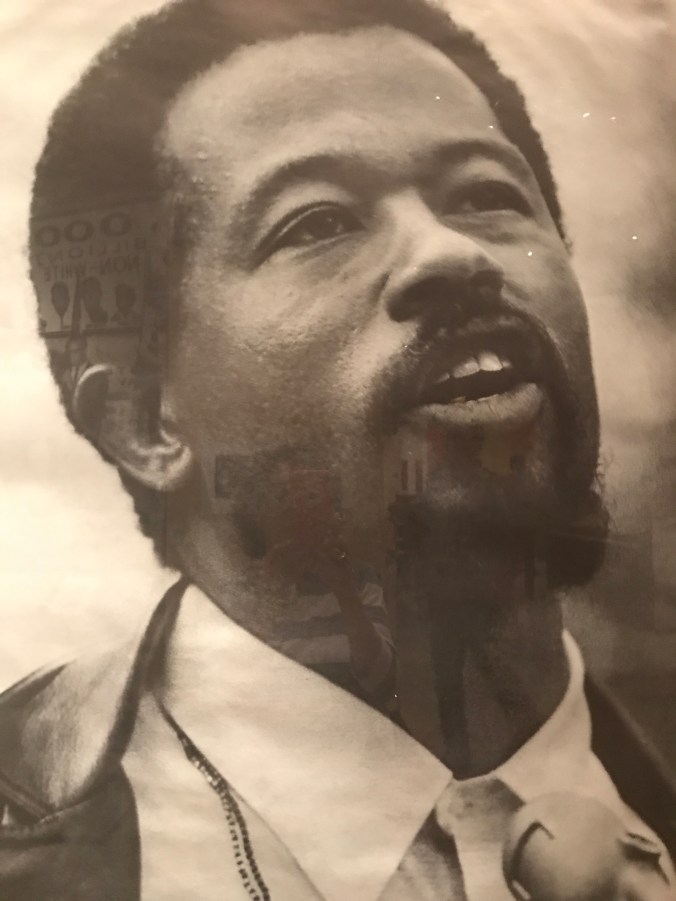
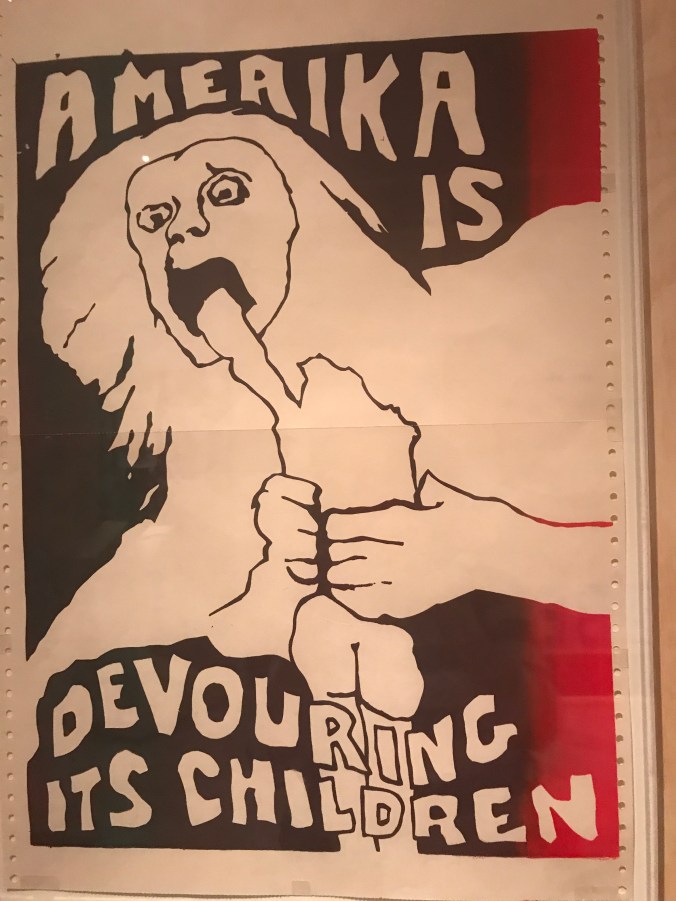 Now the idea of hippies and radicals, the counterculture that confronted societies restrictive attitudes towards sexuality and gender, has been subsumed by subsequent generations and the new New left. Conservatism and liberalism, radicalism – categories and types. Current radicalism is #MeToo, an international movement against sexual harassment and assault. The New Left and the Black Power movement of the sixties reinterpreted Depression era Marxism and inflamed America’s conscience and it’s rage. It extended it’s scope to civil rights, gender roles, environmentalism and the use of psychedelics. The old left moved into leadership roles at the academies and nurtured the new New left. This new New Left can live with its contradictions, because of postmodernism. It finds contradiction politically useful.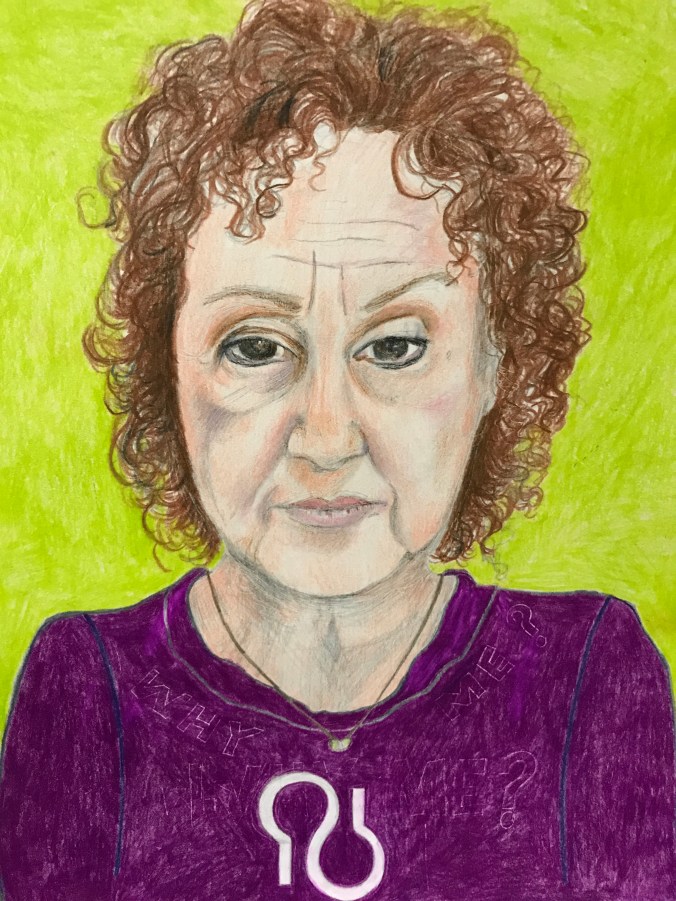

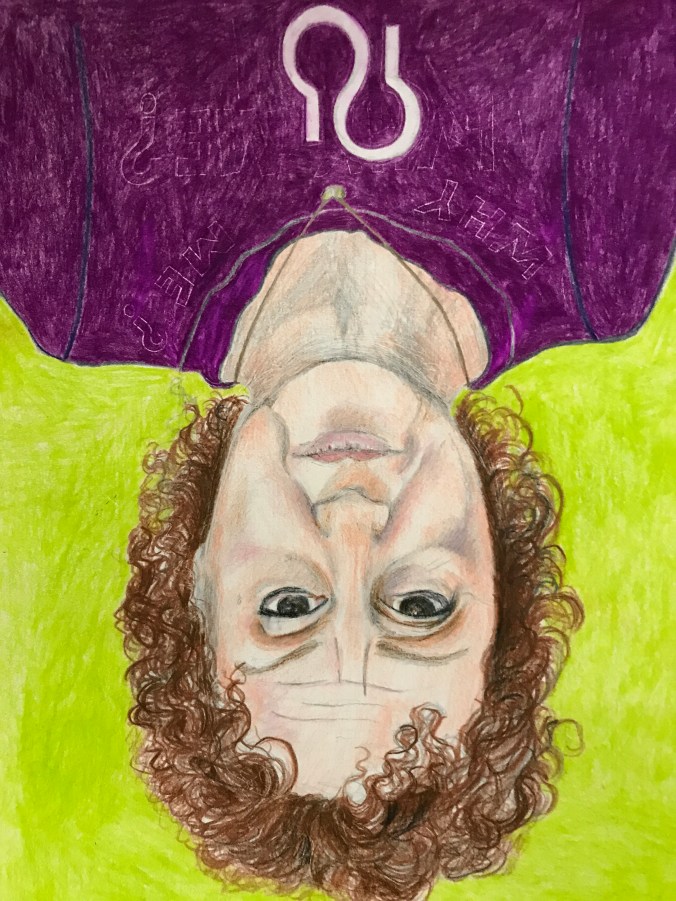


 Thursday, April 19, 2018- I didn’t make it to The Alzheimer’s Association support group. When the alarm rang I couldn’t get up. I felt weak and sick, My brain felt mashed up. I couldn’t do it. I called the social worker who runs the group and emailed her that I didn’t feel well. She wrote back “no worries”. I felt bad about it. That I couldn’t get up and go.


 Suddenly Mad